Precision Machining for Medical Devices
Assembly fixtures, equipment components and positioning nests for medical device production, machined to a confirmed material grade with the inspection record and material certificate travelling with the batch.
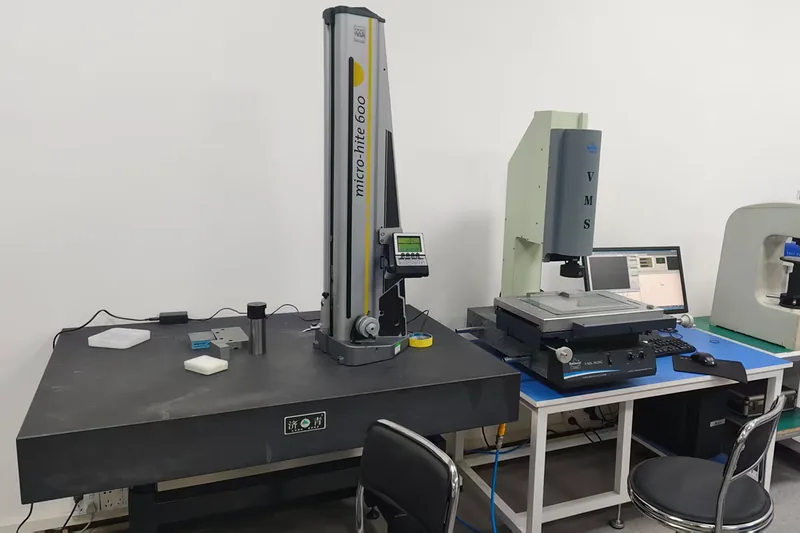
Machined Parts For Precision Machining for Medical Devices
Stainless Steel, Aluminum, Engineering Plastics
What These Parts Have To Do
The working conditions, the fits, and the acceptance rules that shape how we quote and machine for Precision Machining for Medical Devices.
Machined parts for medical device production are mostly equipment parts rather than implant parts: assembly and test fixtures, positioning nests, instrument housings, brackets and insulators for the machines that build and check the device. They are judged on material discipline, surface condition and the paperwork that comes with them.
Material is the first conversation. Stainless grades, engineering plastics and laminates are specified for a reason on these drawings, and a substitution that would be harmless on an automation bracket is not acceptable here. We confirm the grade and the condition before we quote, and the material certificate is kept with the batch record when you ask for it.
Surface condition is the second. Burrs, tool marks on functional faces and coolant residue are defects on a part that touches a product or a clean environment, so edge breaks and cleaning are specified on the traveller for every operation, and functional faces are inspected before packing.
The third is traceability. Each batch carries its first-article report, and repeat batches are made from the retained program and fixture so the part you receive next year matches the one you qualified. Tell us what documentation your incoming inspection expects and we build the batch record around it.
What The Drawings Usually Demand
The recurring requirements on Precision Machining for Medical Devices drawings, and what each one means for how the part is machined and checked.
Material Compatibility
<p>The grade on the drawing is the grade that is machined. Substitutions are proposed before the quote, never made silently, and the material certificate is retained with the batch.</p>
Surface Condition
<p>Edge breaks, deburring and cleaning are written into the traveller, and functional faces are inspected before packing rather than assumed from the machining.</p>
Traceability
<p>Every batch has a first-article report; repeat batches are built from the retained program and fixture and reference the same drawing revision.</p>
Repeatability
<p>Positioning nests and assembly fixtures are checked as assemblies so the device is presented the same way on every cycle.</p>
Clean Machining
<p>Parts that will see a clean environment are handled and packed individually so they arrive without marks or residue.</p>
A Drawing And A Quantity Is Enough To Start
If the print is not final, or the tolerances are still being decided, send it anyway. Owen reads the drawing, flags what needs confirming, and comes back with a price range and the questions that matter, within 24 hours on business days.
Parts We Have Made For Precision Machining for Medical Devices
Material, process, and application on every card. Open a part to see the specification and the inspection it received.
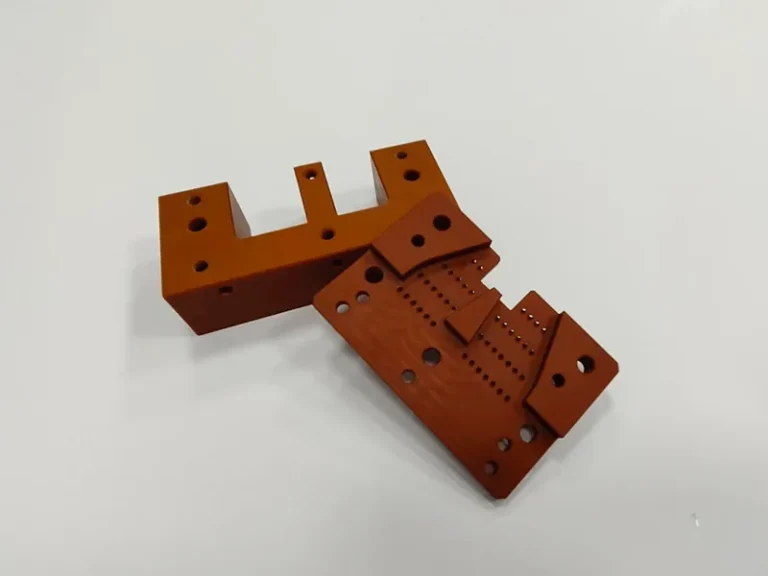
Machined Laminate Insulator Bracket Set
- Process: CNC Milling
- Material: Engineering Plastics
- Industry: Electronics & Robotics, Medical Devices
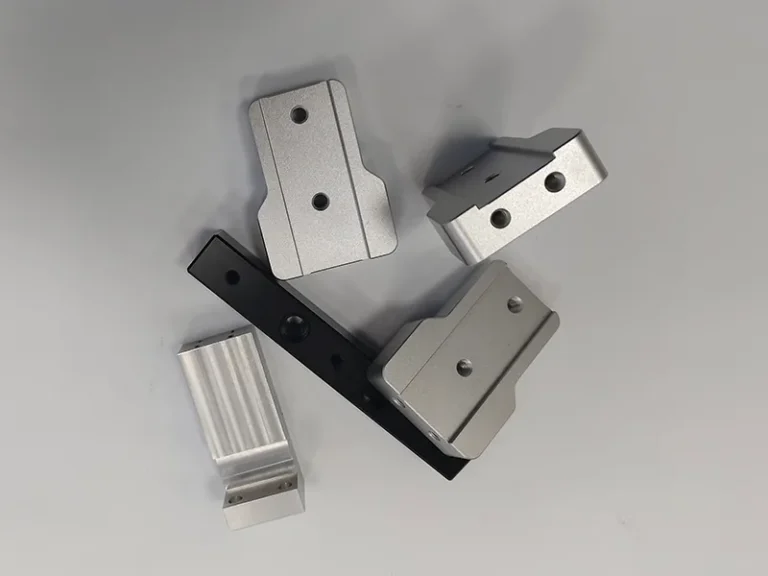
Anodized Aluminum Mounting Bracket Set for Automation Frames
- Process: CNC Milling
- Material: Aluminum
- Industry: Industrial Automation, Medical Devices
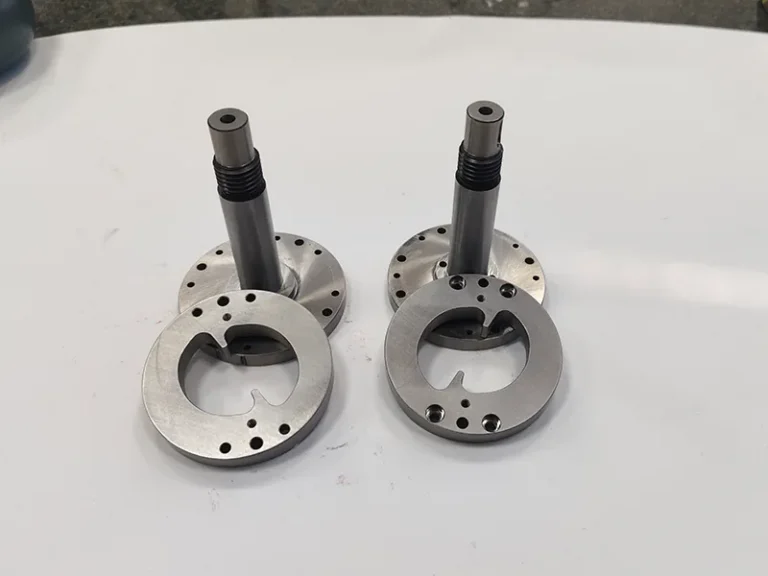
Turned Flanged Shaft with Threaded Section and Matching Retainer Rings
- Process: CNC Milling, CNC Turning
- Material: Stainless Steel
- Industry: Industrial Automation, Medical Devices
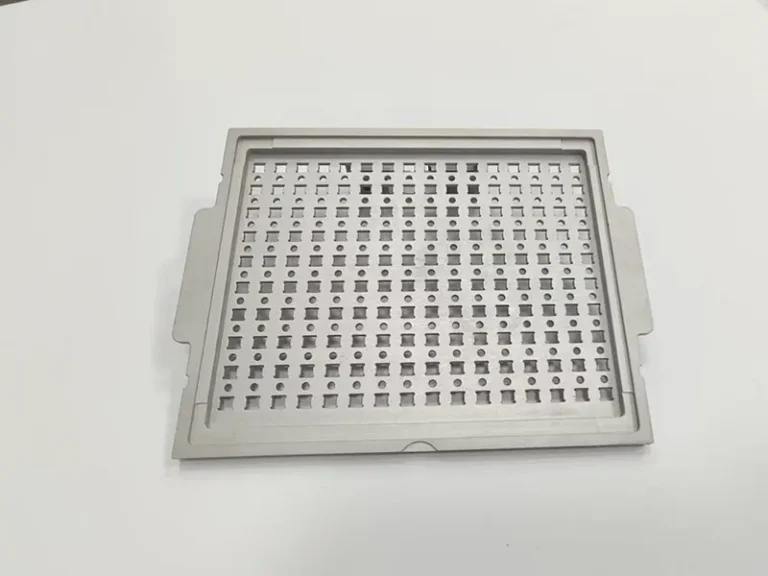
Perforated Carrier and Nest Plate Set for Component Arrays
- Process: CNC Milling
- Material: Aluminum
- Industry: Medical Devices, Semiconductor
Where These Parts End Up
The assemblies and equipment that Precision Machining for Medical Devices buyers most often source machined parts for.
Assembly and test fixtures
<p>Nests, locators and clamps that hold a device or a sub-assembly at a defined position for assembly, functional test or vision inspection.</p>
Positioning nests for automated assembly
<p>Pocketed plates and inserts machined to the profile of the component they locate, checked for repeatability after assembly.</p>
Instrument housings and brackets
<p>Machined stainless and aluminum housings, brackets and mounts for diagnostic and laboratory equipment.</p>
Insulating and non-metallic components
<p>Laminate and engineering plastic brackets and spacers machined with backed exits so thin sections and small holes stay clean.</p>
Equipment components
<p>Shafts, flanges and machined blocks for the production and handling equipment behind the device.</p>
Every Precision Machining for Medical Devices Quote Comes With DFM Notes
Owen reads the drawing before pricing it: tolerances that add cost, features that need a second setup, finishes that change lead time. Send a STEP or PDF with the material and quantity, and the quote reflects what is actually machinable, within 24 hours on business days.
Processes We Use For Precision Machining for Medical Devices
Each service page lists the equipment, the working envelope, and the tolerances we hold on that process.
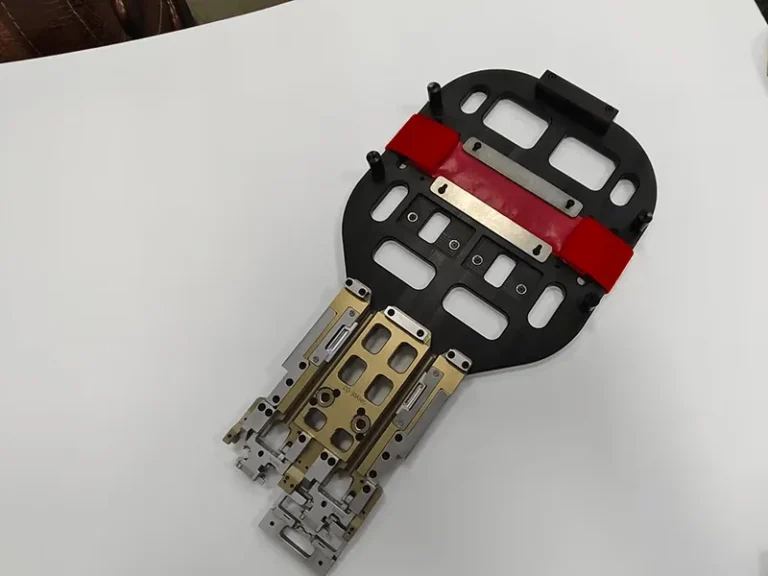
Custom Jigs and Fixtures
Workholding, assembly jigs, checking fixtures and robot end-of-arm tooling built to your part and your machine interface. We machine the plates, the locators and…
View Service →CNC Turning Services
Turned shafts, flanges, bushings, pins and rings, with the milled and drilled features finished on the same part. Tell us which diameter is the…
View Service →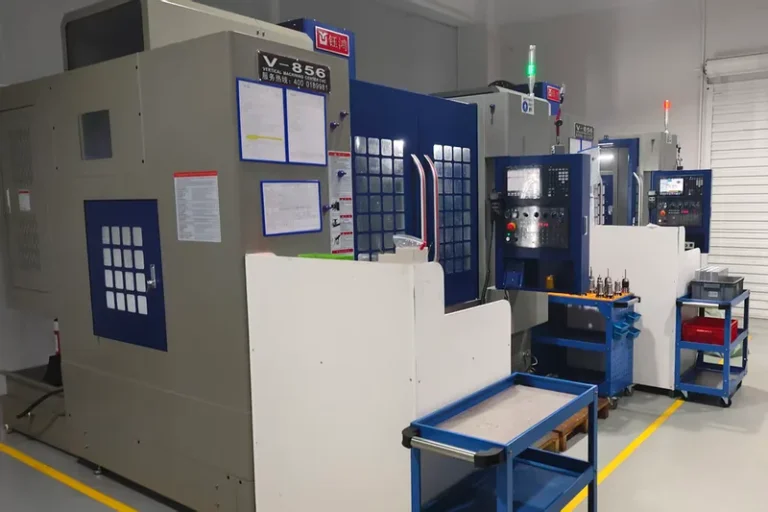
CNC Milling Services
Vertical machining centre work on housings, frames, plates, brackets and contoured parts, from a single prototype to a repeat batch. Send the drawing with…
View Service →Custom CNC Machining Services
We machine parts to your drawing in our own shop — milling, turning, wire EDM, and the fixtures that hold the work. Send a…
View Service →Processes, Materials And Finishes For Precision Machining for Medical Devices
What we most often run for this industry. If your drawing calls for something not listed, send it anyway and we will confirm.
Processes
How the parts are cut.
Materials
What they are made from.
Finishes
How they are protected and finished.
Material Certificates And Inspection Reports Travel With The Parts
Tell Owen which records your receiving inspection needs: mill certificates, first article report, CMM report, certificate of conformance, or all of them. They are agreed at quoting, not requested after the parts arrive.
What Changes When We Machine For Precision Machining for Medical Devices
On medical device work the machining is rarely the hard part; the discipline around it is. The grade cannot drift, the batch cannot be mixed, and the record has to show what was made and how it was checked. We treat the traveller and the first-article report as part of the deliverable, not as paperwork after the fact.
Engineering plastics and laminates need their own handling: they move with temperature, they chip at unsupported exits, and a dimension measured in a warm shop reads differently in a cool inspection room. Tell us the temperature a tight fit applies at, and we back thin sections during drilling so holes and steps stay clean.
We do not claim a medical quality system we do not hold. What we can state is what we do on every batch: confirmed grade, documented inspection, retained program and fixture, and packing that keeps functional faces clean.
Projects From Precision Machining for Medical Devices
Real drawings, the requirement that drove each job, and what shipped.
Machined G-10 Laminate Insulator Brackets for an Electronics Assembly
- Industry: Electronics & Robotics, Medical Devices
- Process: CNC Milling
- Key requirement: Hole position: ±0.05 mm
Turned Flanged Shaft with Threaded Section and Wire-Cut Retainer Rings
- Industry: Industrial Automation, Medical Devices
- Process: CNC Milling, CNC Turning
- Key requirement: Running diameter: h7
Matched Carrier and Nest Plate Set for a Component Array Handler
- Industry: Medical Devices, Semiconductor
- Process: CNC Milling
- Key requirement: Accumulated pitch across grid: ±0.03 mm
Machining Parts For Precision Machining for Medical Devices? Send The Drawing.
A STEP, IGES, or PDF file with the material, quantity, and the tolerances that matter is enough to start. You get a price, a lead time, and manufacturability feedback from a real person, not a bot.

Owen Lan
Sales, Zhongjiecheng Auto
Replies within 24 hoursEvery message from this page reaches me directly. Tell me which surfaces are functional, which dimensions your inspection checks, and the quantity, and I will tell you how we would run the part and what it costs.
Prototypes and production runs both welcome. Tolerances, finishes, inspection records, and packing are confirmed before you pay a deposit.
Owen Lan
Sales, Zhongjiecheng Auto CNC Machining
Tell Us About Your Parts
Fields marked * are required.