Custom Jigs and Fixtures
Workholding, assembly jigs, checking fixtures and robot end-of-arm tooling built to your part and your machine interface. We machine the plates, the locators and the wear parts in the same shop, so the fixture and the parts it holds come from one place.
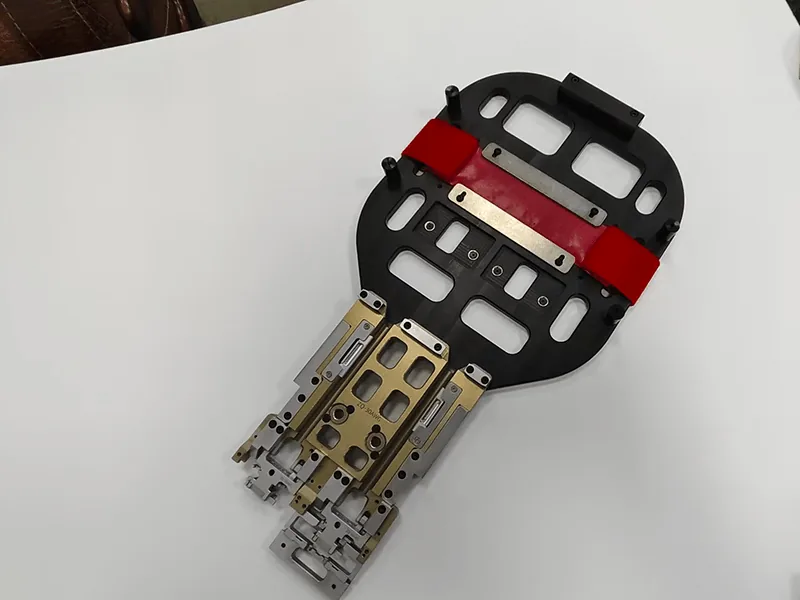
Custom Jigs and Fixtures At Zhongjiecheng Auto
Anodizing, As Machined, Bead Blasting
What This Service Covers
The parts, materials, and tolerances we run under Custom Jigs and Fixtures, and where the process fits alongside the rest of the shop.
A fixture is a product with its own drawing, its own tolerances and its own wear parts. We build them as a deliverable, not only for our own use.
Three kinds of work come through most often. Workholding fixtures that hold your part on a machine table or a pallet, where the number that matters is repeatability — whether the part sits in the same place after the hundredth load. Assembly and checking jigs, where the fixture has to locate a part the same way your inspection drawing does, so a part that passes the jig also passes the customer. And robot end-of-arm tooling: a base plate carrying pads, clamps and slides, where mass and mass distribution matter as much as the machining, because the robot has to move it.
The fixture we photograph most is that third kind — a lightweight base plate with the pockets machined out of it, urethane contact pads where the part is touched, hardened wear plates where the part slides, and adjustable clamp assemblies mounted to a machined interface. The plate is milled, the locators are ground or wire cut, and the whole thing is assembled and checked as an assembly before it ships.
What we need from you: the part drawing or a sample, the machine or robot interface it mounts to, the datum scheme the part is inspected against, and the cycle rate. The datum scheme matters most. A fixture that locates on a different set of surfaces from the one you inspect against will show errors that are not really there.
Working Range And Typical Tolerances
Confirmed figures only. Anything your drawing needs beyond these is a conversation, not a refusal.
| Capability | Range Or Value |
|---|---|
| Fixture types built | Machining workholding, assembly jigs, checking fixtures, robot end-of-arm tooling |
| Locating elements | Ground dowels, machined V-blocks, wire-cut locators, urethane and machined contact pads |
| Fixture plate materials | 6061-T6 and 7075-T6 aluminum plates; SKD11 tool steel and SUS304 stainless locators and wear parts |
| Repeatability of a completed fixture | ≤ 0.02 mm over 100 loads on ground locators |
| Interfaces built to | Machine table T-slot and grid patterns, zero-point pallets, robot tool flanges to ISO 9409-1 |
| Wear parts | Replaceable hardened inserts and pads so the plate is not scrapped when a contact face wears |
| Assembly and check before shipping | Assembled, adjusted and measured as an assembly, not only as loose parts |
| Documentation supplied | Assembly drawing, part list, spare wear-part list |
Send The Drawing Anyway
The table lists what we run every week, not the limit of what we can do. If your part is larger, tighter, or in a material not listed, Owen checks it against the machines and the inspection kit and tells you plainly whether it fits, within 24 hours on business days.
Materials And Finishes For Custom Jigs and Fixtures
What we most often run on this process. If your drawing calls for something not listed, send it anyway and we will confirm.
Supported Materials
Grades we stock or source for this process.
Surface Finishes
Finishes applied after machining, in house or with qualified partners.
Parts Machined With Custom Jigs and Fixtures
Material, process, and application on every card. Open a part to see the specification and the inspection it received.
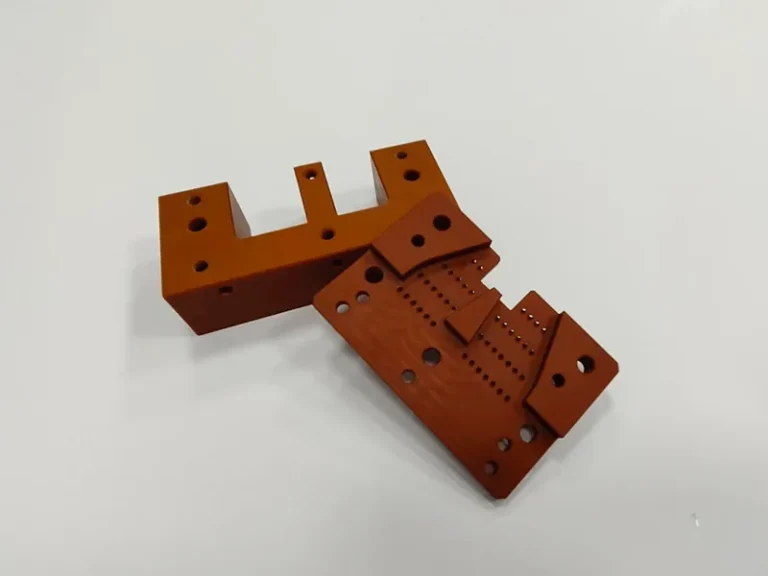
Machined Laminate Insulator Bracket Set
- Process: CNC Milling
- Material: Engineering Plastics
- Industry: Electronics & Robotics, Medical Devices
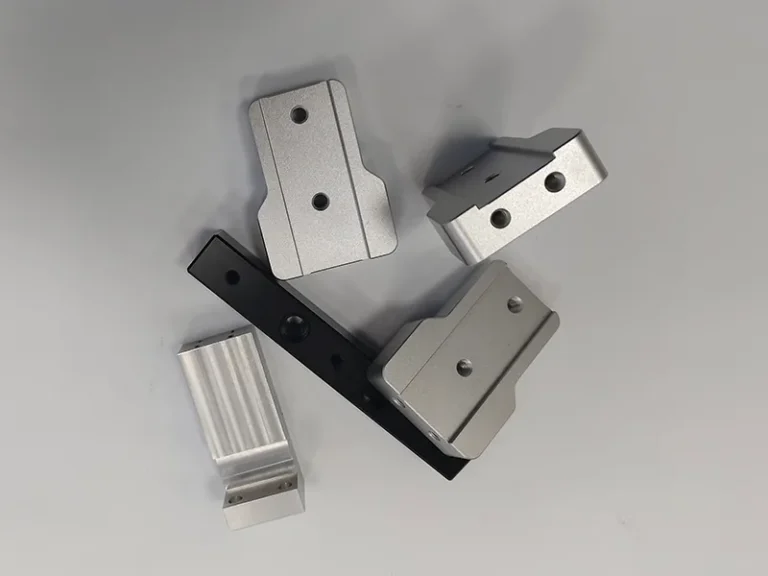
Anodized Aluminum Mounting Bracket Set for Automation Frames
- Process: CNC Milling
- Material: Aluminum
- Industry: Industrial Automation, Medical Devices
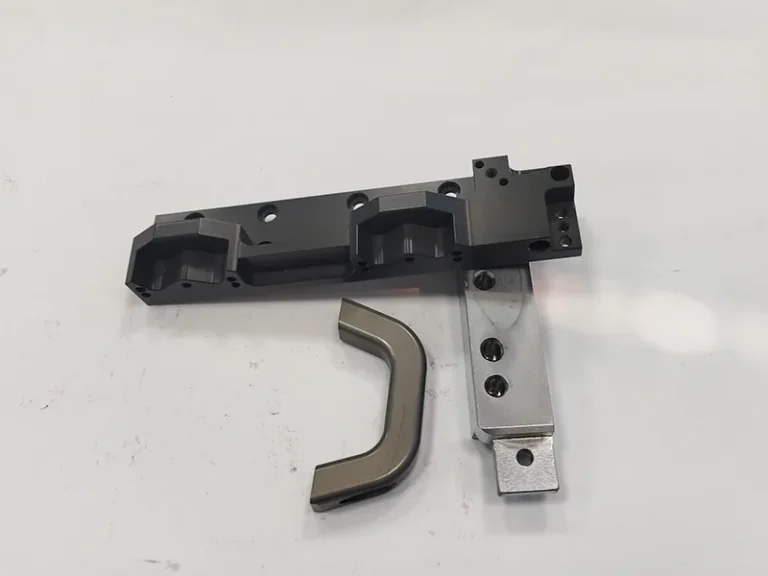
Anodized Rail Housing, Slide Bar and Contoured Link Set
- Process: CNC Milling
- Material: Aluminum
- Industry: Electronics & Robotics, Industrial Automation
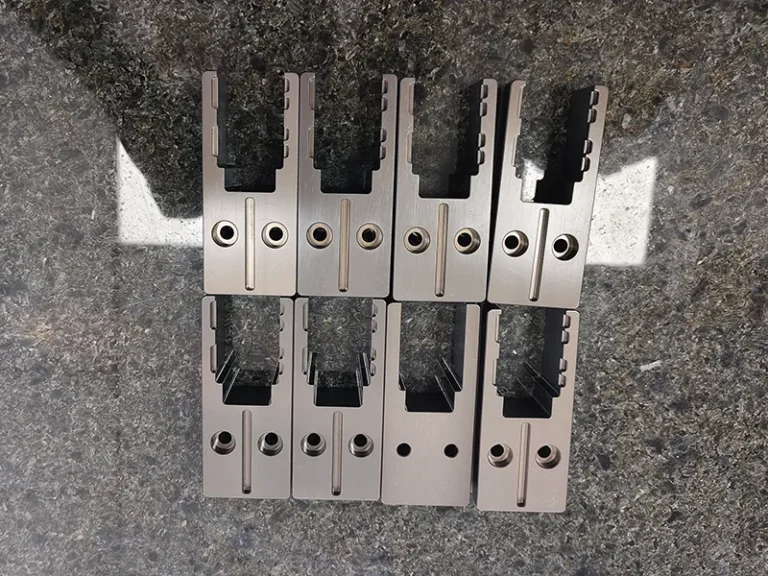
Slotted Carrier Block with Wire-Cut Comb Profile
- Process: CNC Milling, Wire EDM
- Material: Carbon Steel
- Industry: Automotive, Electronics & Robotics
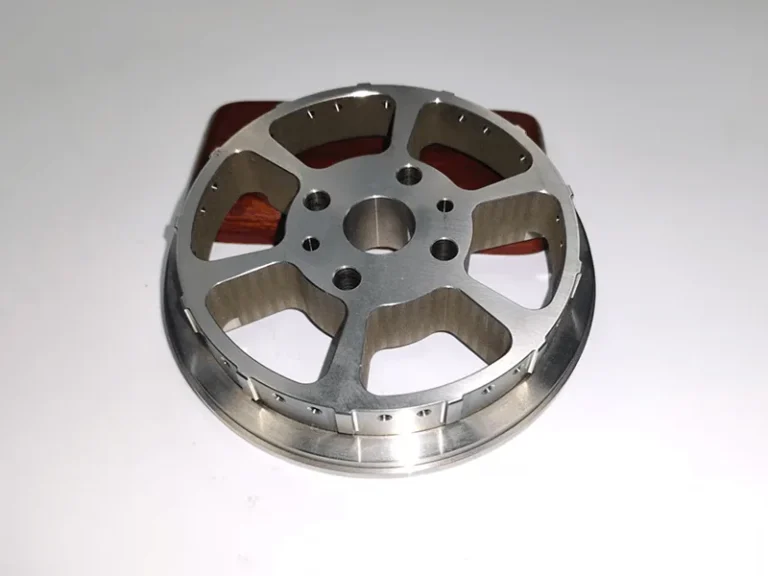
Contoured Five-Spoke Wheel Hub with Notched Rim Barrel
- Process: CNC Milling, CNC Turning
- Material: Carbon Steel
- Industry: Automotive
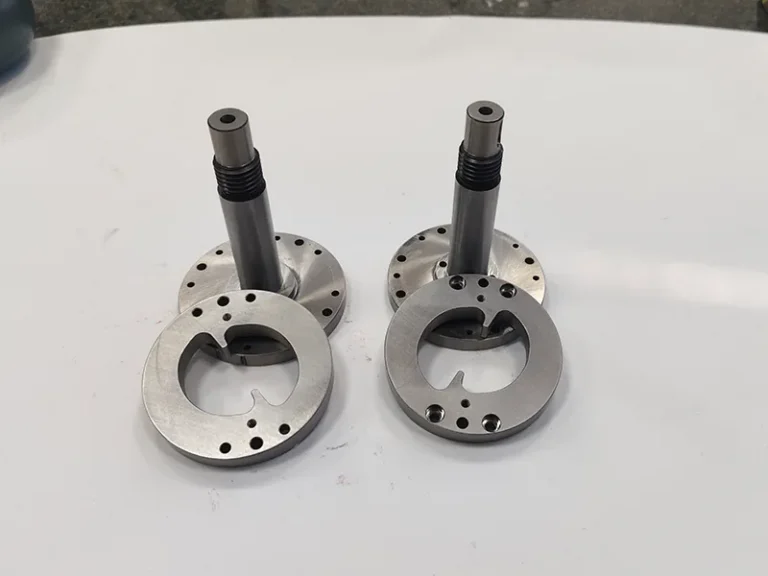
Turned Flanged Shaft with Threaded Section and Matching Retainer Rings
- Process: CNC Milling, CNC Turning
- Material: Stainless Steel
- Industry: Industrial Automation, Medical Devices
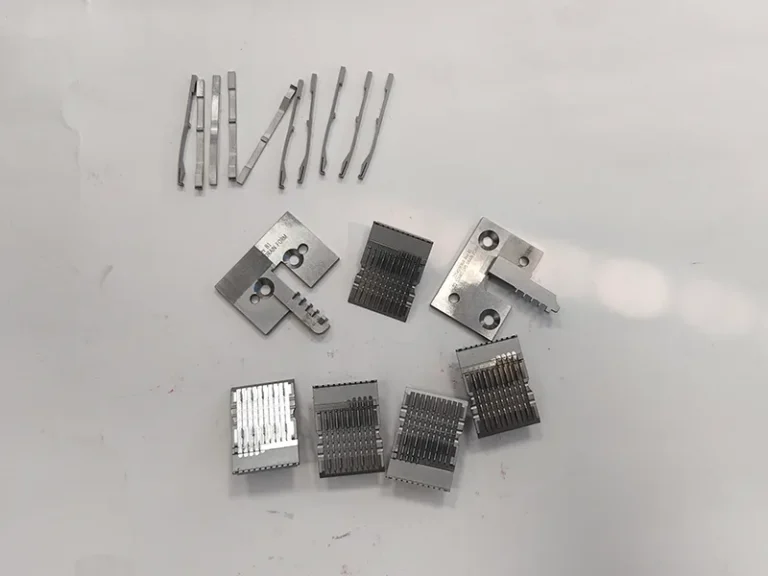
Wire-Cut Blade Insert Set for Connector Stamping Tooling
- Process: CNC Milling, Wire EDM
- Material: Tool Steel
- Industry: Automotive, Electronics & Robotics
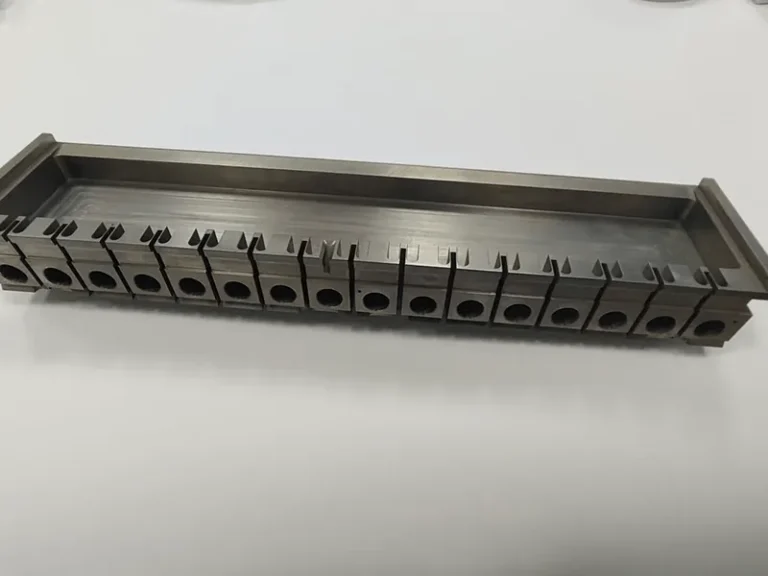
Ganged Wire-Cut Die Insert Bar with Seventeen Positions
- Process: CNC Milling, Wire EDM
- Material: Tool Steel
- Industry: Automotive, Electronics & Robotics
Every Quote Comes With DFM Notes
Owen reads the drawing before pricing it: tolerances that add cost, features that need a second setup, finishes that change lead time. Send a STEP or PDF with the material and quantity, and the quote reflects what is actually machinable, within 24 hours on business days.
What We Check On Custom Jigs and Fixtures Parts
<p>A fixture is checked as an assembly. The locating surfaces are measured after it is bolted together, because a fixture built from parts that are individually all in tolerance can still locate wrong.</p>
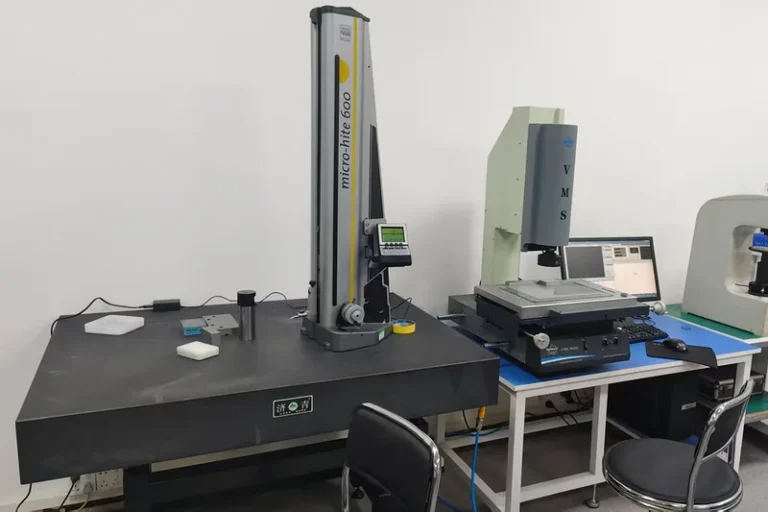
Locating pads and pins are measured from the mounting face after the fixture is bolted together, on a granite plate with a height gauge.
The face that bolts to the machine table or the robot flange is checked for flatness, because a fixture that rocks moves the part every cycle.
Where a sample is available it is loaded and unloaded repeatedly and the locating position re-checked, rather than assuming the drawing.
Where Custom Jigs and Fixtures Is Used
The sectors that most often send us drawings for this process, and what their parts have to do.
CNC Machined Parts for Automotive Equipment
Stamping die inserts, forming die blocks, ganged wire-cut tooling and equipment components for automotive production, machined in tool steel with the profile cut after…
Explore Industry →
CNC Machining for Electronics & Robotics
Connector tooling inserts, robot grippers, laminate insulators, small carriers and sensor mounts, machined where the features are small, the sections are thin and the…
Explore Industry →CNC Machining for Industrial Automation
Fixture plates, end-of-arm tooling, brackets, rails and housings for automated equipment, machined to the dowel and bolt positions that decide whether an assembly goes…
Explore Industry →Precision Machining for Medical Devices
Assembly fixtures, equipment components and positioning nests for medical device production, machined to a confirmed material grade with the inspection record and material certificate…
Explore Industry →CNC Machining for Semiconductor Equipment
Carrier plates, nest plates, handling fixtures and equipment brackets for semiconductor and substrate handling, machined for flatness, hole position and clean, burr-free edges, and…
Explore Industry →Projects That Used Custom Jigs and Fixtures
Real drawings, the requirement that drove each job, and what shipped.
Machined G-10 Laminate Insulator Brackets for an Electronics Assembly
- Industry: Electronics & Robotics, Medical Devices
- Process: CNC Milling
- Key requirement: Hole position: ±0.05 mm
Batch of Eight Slotted Carrier Blocks with Wire-Cut Comb Profile
- Industry: Automotive, Electronics & Robotics
- Process: CNC Milling, Wire EDM
- Key requirement: Notch pitch: ±0.02 mm along each slot
Anodized Rail Housing, Slide Bar and Contoured Link Set for a Linear Module
- Industry: Electronics & Robotics, Industrial Automation
- Process: CNC Milling
- Key requirement: Slide fit after anodizing: ±0.02 mm
Turned Flanged Shaft with Threaded Section and Wire-Cut Retainer Rings
- Industry: Industrial Automation, Medical Devices
- Process: CNC Milling, CNC Turning
- Key requirement: Running diameter: h7
Material Certificates And Inspection Reports Travel With The Parts
Tell Owen which records your receiving inspection needs: mill certificates, first article report, CMM report, certificate of conformance, or all of them. They are agreed at quoting, not requested after the parts arrive.
Questions Engineers Ask Before They Send A Drawing
If yours is not here, ask Owen directly. A one line question on WhatsApp is fine.
Chat With OwenWhat do you need to design a fixture for my part?
The part drawing or a 3D file, a physical sample if one exists, the interface it mounts to, and the datum scheme your inspection uses. The datum scheme matters most: a fixture that locates on different surfaces from the ones you inspect against will show errors that are not really there.
Will you design the fixture, or do you need my design?
Either. If you send a fixture design we build to it. If you send the part and the requirement, we design it and send you the concept before we cut metal. Say which you want in the enquiry, because it changes both lead time and price.
How do I specify repeatability rather than tolerance?
Tell us how far the part is allowed to move between two loads, and how many loads the fixture has to survive before that number is allowed to grow. Those are two different requirements and they lead to different locators. A hardened ground pin behaves differently over ten thousand cycles from a milled aluminum pocket.
The part is soft or has a finished surface. How do you hold it without marking it?
Urethane or machined plastic contact pads instead of steel, clamping force spread over an area rather than a point, and support directly under every clamp. Tell us which surfaces must not be touched and we design the contact points around them.
Can you build a fixture for a robot arm rather than a machine table?
Yes. For end-of-arm tooling, tell us the robot model or the tool flange pattern, the payload left after the tooling weight, and the cycle rate. Mass and where the mass sits decide the plate design as much as the part shape does.
What happens when the locating surfaces wear out?
That is why we build the contact surfaces as separate replaceable parts wherever the design allows. When a pad or a pin wears you replace that part rather than the fixture. Ask for the spare parts list with the fixture and keep one set on the shelf.
Can you also make the parts the fixture holds?
Yes, and it removes an argument. If the fixture and the part come from the same shop, a fit problem is ours to fix rather than a discussion between two suppliers.
My part changes revision often. Can the fixture handle that?
Only if you tell us which features are stable and which are likely to move. We build the fixture around the stable datum features and make the changing area a bolt-on insert, so a revision costs an insert instead of a new fixture.
Send The Drawing, Get Process, Tolerance And Lead Time Back
A STEP, IGES, or PDF file with the material, quantity, and the tolerances that matter is enough to start. You get a price, a lead time, and manufacturability feedback from a real person, not a bot.

Owen Lan
Sales, Zhongjiecheng Auto
Replies within 24 hoursEvery message from this page reaches me directly. Tell me the material, the quantity, and which dimensions your inspection checks, and I will tell you whether Custom Jigs and Fixtures is the right route, what it costs, and how long it takes.
Prototypes and production runs both welcome. Tolerances, finishes, inspection records, and packing are confirmed before you pay a deposit.
Owen Lan
Sales, Zhongjiecheng Auto CNC Machining
Tell Us About Your Parts
Fields marked * are required.